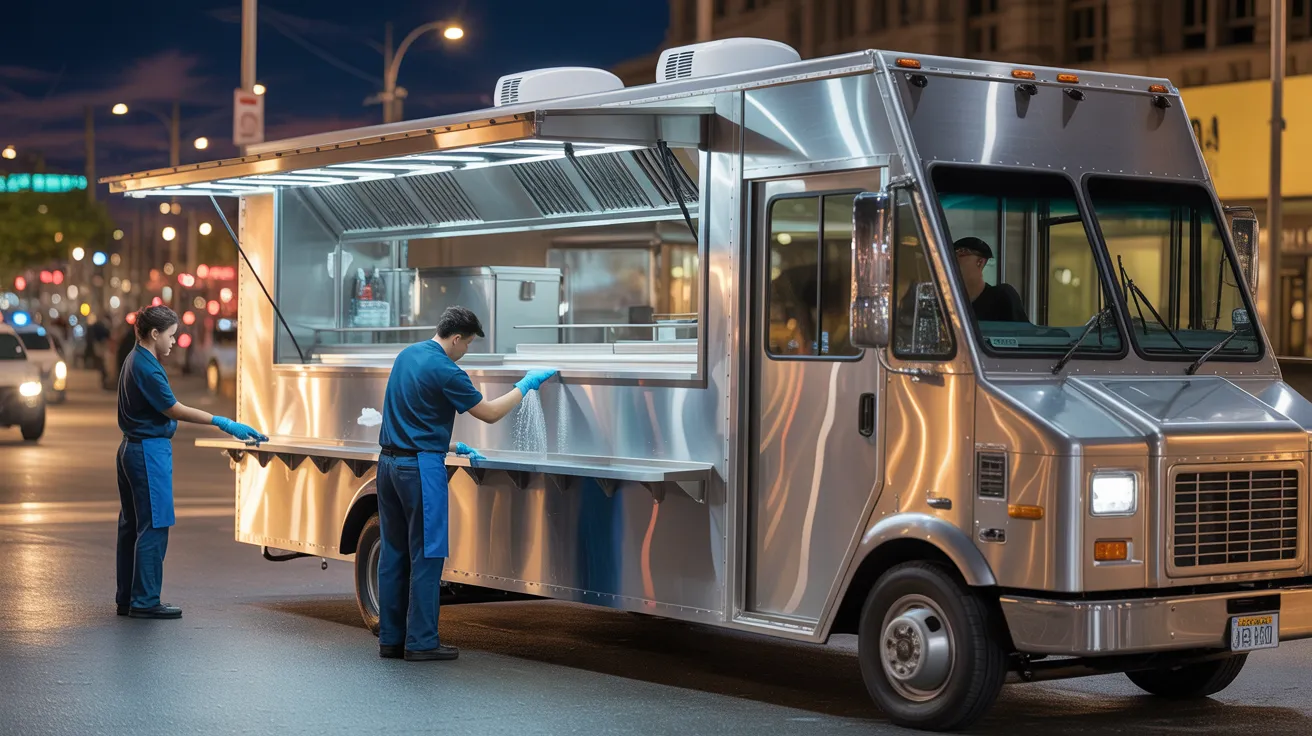
Food safety and commercial cleaning experts in Brampton support your business in maintaining restaurants, commissaries, bakeries, warehouses, and mobile food operations to code. They disinfect frequently touched areas, food-contact surfaces, equipment, floors, drains, restrooms, and prep areas with approved chemicals, correct concentration, and documented exposure durations.
Important Highlights
- Brampton's food safety cleaning experts maintain restaurants, grocery departments, commissaries, warehouses, bakeries, schools, mobile vendors, and allergen-sensitive operations.
- Cross-contamination prevention is maintained by cleaning high-touch surfaces, food-contact equipment, kitchens, floors, drains, restrooms, and storage areas with sectional methods.
- Proper chemical concentration, alignment, and contact time are verified by trained contractors, with finishing documented via tests, assessments, and action records.
- Everyday, regular, and cyclical duties assigned by area constitute sanitation schedules grounded on hazard, production volume, format changes, spills, and regulations.
- Prioritize providers exhibiting hazard analysis knowledge, health regulatory expertise, WHMIS preparation, protection, credentials, colour-coded tools, and assessment-ready hygiene files.
Brampton Operations That Need Food Safety Cleaning: Which Ones?
Food safety cleaning is mandatory for any Brampton facility that handles, maintains, prepares, packages, or offers food. Apply it to your operation if it comes under health inspections, food codes, or HACCP requirements. This includes restaurants, cafeterias, commissaries, grocery food departments, butcher shops, seafood counters, convenience stores, and institutional kitchens.
You also need documented food sanitation in storage facilities, food production centers, refrigerated locations, bakery retailers, school meal programs, event venues, and food distribution hubs. Mobile and temporary operations count too, including food trucks, event vendors, and temporary booths. If your staff prepare raw materials, portion finished foods, warm up meals, or maintain allergen storage, your facility needs documented cleaning protocols. In Brampton, sanitation isn't elective; it's part of lawful, functional, and customer safety adherence.
Which Areas Do Brampton Cleaning Experts Cover?
You need professional cleaners who disinfect frequently contacted areas, kitchen areas, floors, and bathrooms to comply with food safety and health regulations. They target these areas because they pose the greatest danger for cross-contamination, slip hazards, and sanitation breaches.
By knowing exactly what gets cleaned, you are able to confirm your operation's sanitation protocols satisfy all operational and regulatory requirements.
High-Touch Surface Disinfection
set how often each surface is disinfected
By rotating cleaning materials, maintaining sequential cleaning methods, and segregating cleaning supplies according to section, you sustain a quantifiable, defensible, and inspection-ready cleaning protocol.
Kitchens, Floors, and Restrooms
Brampton cleaning services zero in on kitchens, floors, and restrooms as each zone involves different sanitation, accident, and wellness risks. In industrial kitchens, you need grease removal from cooking stations, appliance surfaces, drain systems, preparation areas, and backsplashes to reduce bacterial growth and pest activity.
Documented floor maintenance is also provided as part of the service.
Restroom cleaning involves sanitizing surfaces, fittings, separators, dispensers, and containers, replenishing amenities and managing odor. They also maintain restaurant cleaning supply rooms where product storage, sink cleanliness, and drain systems impact daily sanitation standards and worker protection.
How Food Safety Cleaning Benefits Brampton Operations
In Brampton, you must maintain food-safe cleaning standards to satisfy health code requirements and achieve compliance. You also reduce cross-contamination by cleaning and sanitizing food-contact surfaces, equipment, and high-touch areas correctly. Most importantly, you safeguard community wellness by reducing the chance of food poisoning in your establishment.
Sanitary Standards Adherence
Since Brampton food businesses must follow rigorous sanitary regulations, your sanitation practices directly impacts your ability to meet health codes, defend diners, and eliminate regulatory penalties. You must maintain sanitized food contact points, verifiable cleaning logs, safe chemical management, and traceable training practices that meet municipal and provincial inspection expectations.
Failure to maintain cleaning standards poses threats infractions, remedial directives, brand harm, and potential disruption during further inspections or compliance reviews.
Contamination Prevention
Adhering to health code standards requires your expertise in stopping cross-contamination throughout daily food handling and cleaning. You need to isolate uncooked items from finished products, sanitize work stations after each task, try now and keep chemicals away from food-contact items. Organized systems minimize contamination events and maintain ongoing regulatory adherence.
Implementing allergen segregation helps ensure major allergens don't touch communal work zones, bins, or devices. Utilize separate boards, color-labeled items, and strict utensil labeling so workers don't combine products while preparing or distributing. Enforce hand hygiene following raw meat, seafood, eggs, or allergen-containing products. Replace wiping cloths regularly, and verify sanitizer strength with test strips. When your team learns these guidelines per shift, you establish a more hygienic, safer workplace that satisfies Brampton's food safety needs regularly.
Public Wellness Defense
Should cleaning standards collapse, you don't simply encounter inspection problems—you expand the odds of foodborne illness impacting customers, staff, and the wider Brampton population. You also weaken your role in safeguarding community wellness, especially in busy food facilities where contamination can spread quickly through surfaces, equipment, and touchpoints.
You must implement sanitation protocols that remove soils, effectively sanitize, and verify results. This entails adhering to contact periods, deploying approved disinfectants, maintaining records, and training employees to fulfill health-unit expectations. These actions support pathogen control by reducing microbes before affecting food surfaces or hands. In Brampton, effective cleaning shields vulnerable populations, curtails outbreak likelihood, and proves your diligence. When you maintain standards, you exceed requirements—you meaningfully lower danger and advance safer food handling throughout the city.
How Does Cleaning Support Food Safety Compliance?
Rigorous cleaning routines ensure food safety compliance by minimizing contamination hazards, limiting pathogen development, and keeping your facility aligned with sanitation requirements under HACCP-based programs and public health regulations. You verify that food-handling surfaces stay visibly clean and microbiologically controlled, supporting documented preventive controls and inspection readiness.
Effective cleaning also enhances allergen management by extracting residues that can trigger undeclared allergen exposure. by eliminating residues that can provoke undeclared allergen exposure.
When Do You Plan Commercial Cleaning?
high-volume production periods, product changeovers, spill events
Schedule drains, vents, storage racks, and hard-to-reach equipment zones weekly or every month, relying on inspection results and sanitation documentation.
How Do You Choose Brampton Cleaning Experts?
Screen providers initially by their food-safe sanitation requirements—not budget alone. You need to confirm that every company meets CFIA, public health, and HACCP standards for your operation. Demand proof of insurance, WHMIS compliance, training records, and management systems. Evaluate technician understanding of contamination dangers, chemical safety, and documented sanitation practices.
You should further examine operational reliability and accountability. Request testimonials from Brampton food businesses, then review reply speed, corrective-action procedures, and communication protocols. Validate the company supports supplier audits and can supply compliance documentation to regulators or third parties. Confirm equipment receives maintenance, colour-coded tools are applied correctly, and site-specific hazards are recognized. A experienced service protects compliance, product quality, and your reputation in the market.
What does a Food Safety Cleaning Plan consist of?
Write out a plan that defines every sanitation activity, guideline, and role before starting production. You should include cleaning frequencies, approved chemicals, dilution rates, contact times, tools, and verification methods for each area, surface, and device. Remember to add pre-operational inspections, corrective actions, and employee training requirements.
Your plan should also address cross-contamination controls, waste handling, pest-prevention measures, and documented schedules for rest areas, drains, flooring, and food-contact surfaces. Describe how you'll separate raw and ready-to-eat processes, facilitate ingredient tracking, and ensure accurate allergen labeling through validated cleaning between product changes. You should assign accountability, keep signed records, and review results against regulatory standards, HACCP controls, and customer requirements. When gaps appear, update procedures immediately and instruct staff.
Frequently Posed Questions
Are cleaning services offered for overnight shifts in Brampton facilities?
If you run controlled spaces, you'll also require documentation that enable audits and maintain assurance.
Will Brampton cleaning experts respond to hazardous incidents?
Yes, you can find many Brampton sanitation professionals who provide hazard containment solutions. They handle contamination, evaluate dangers, isolate affected areas, and start rapid decontamination to minimize risk and prevent business interruption. You should verify arrival timeframes, professional credentials, safety procedures, and disposal procedures. If your facility must comply with industry standards, choose a provider that records events, follows compliant standards, and enables compliance verification.
Do green disinfectants operate safely on food-handling equipment?
In essence, natural disinfectants are safe for food-contact surfaces provided you select products labeled food safe that adhere to regulatory compliant. Confirm exposure duration, mixing proportions, and rinse requirements before use. Botanical formulations decrease harsh chemical exposure, although you require proof of efficacy against target microorganisms. To preserve residue free surfaces, implement manufacturer directions precisely and confirm the disinfectant meets applicable food industry sanitation standards.
Can cleaning schedules be adjusted for seasonal variations?
Certainly, cleaning plans respond to seasonal production changes effectively. Adjust schedules, staff levels, chemicals, and verification steps to match with seasonal workflows while preserving compliance standards. Limit operational delays via planning disinfection amid line changes, peak seasons, and operational patterns. Additionally modify written procedures, training, and environmental monitoring to reflect seasonal hazards, novel allergens, or increased soil loads. Scheduled reviews ensure the plan functional.
Do professional cleaning services train employees on hygiene standards?
Certainly, professional cleaning experts train your employees on hygiene protocols. You secure staff training on proper chemical use, processing times, cross-contamination prevention, machine disassembly, and documentation procedures. They generally coordinate coaching with HACCP, GMP, and CFIA or local public health requirements. Many execute sanitation audits to verify compliance, identify gaps, and reinforce corrective actions. This enables you to maintain consistent procedures, pass inspections, and reduce food safety risks every day.
Conclusion
Through engaging Brampton commercial cleaning and food safety specialists, you accomplish much beyond organizing—you ensure your facility for inspections and your procedures meet requirements. From production floors to kitchens, all clean areas and organized zones help prevent pest problems and prevent significant costs. Through booking service on suitable timelines and sticking to a solid cleaning plan, you safeguard your team, clients, and your standing. In a tightly controlled regulatory landscape, clean conditions must be a priority—they are fundamental to success.